

A corporate awards night is one of the few occasions each year when your whole company gathers in one room to celebrate the people behind its success. The best awards nights get talked about for months. The forgettable ones tend to feel like a long dinner wrapped around a slideshow, several speeches and a microphone that keeps cutting out.
We’ve delivered hundreds of corporate events across Brisbane and around Australia, and the nights that land aren’t necessarily the ones with the biggest budgets. They’re the ones where someone has treated the entire evening as one connected experience, rather than a venue booking with entertainment added at the end.
Here’s how to plan a corporate awards night that feels polished, personal and genuinely worth celebrating, including the details that rarely make it onto a standard event checklist.
What Makes a Good Corporate Awards Night?
A successful corporate awards night usually brings four things together:
- A clear purpose that keeps recognition at the centre of the evening
- A suitable theme for the company and the people attending
- Well-planned entertainment that maintains the energy
- A detailed run sheet that keeps the awards moving
The venue, food, styling and production all matter, but they should support those four elements rather than compete with them.
When everything works towards the same experience, the awards feel meaningful, the room stays engaged and guests leave with more to remember than what was served for dessert.
Define What the Awards Night Is Really For
It’s tempting to skip straight to themes and entertainment. Fair enough, that’s often the most enjoyable part of the planning process. However, every decision becomes easier once you’re clear about the purpose of the event.
At its core, a corporate awards night should make people feel recognised in front of the colleagues, managers and teams who understand what their work involved. That recognition matters.
Reward Gateway research found that 78 per cent of employees are more motivated and more likely to stay with an organisation when recognised for their work.
Separate Reward Gateway research found that 35 per cent of Australian employees who had considered leaving their job cited a lack of recognition as a driving factor.
Randstad’s Workmonitor research also found that 83 per cent of Australian workers perform better when they feel a sense of belonging.
An awards night gives your organisation a rare opportunity to deliver that recognition openly, personally and in front of the wider team.
Hold onto that purpose when choosing the categories, writing the presentations and deciding how much time the formal programme should receive.
Choose a Theme That Suits Your Team
The right theme gives the event personality without making guests feel uncomfortable or pressured to participate. It should reflect your organisation, suit the audience and carry naturally through the styling, music and entertainment.
Think About Who Will Be in the Room
A theme should feel like your company enjoying itself, not a dress code imposed from above. Before committing to an idea, picture the real guest list. Consider the range of ages, roles, personalities and comfort levels in the room.
A theme that suits a young creative studio may not land with a national accounting firm. Likewise, a very formal black-tie evening may feel disconnected from a relaxed, outdoors-focused company.
One question can help you test the idea:
Would your quietest team member feel comfortable walking into the event, while your biggest personality still has room to enjoy it?
When the answer is yes to both, you’ve probably found the right balance.
Corporate Awards Night Theme Ideas
You don’t need to reinvent the wheel. Some themes continue to work because guests immediately understand them and know how to participate.
Black Tie and Modern Glamour
Elegant, simple and flexible. This works particularly well for formal company awards, gala dinners and milestone celebrations.
Hollywood Red Carpet
A red carpet, media wall, photographers and old-fashioned glamour give guests an immediate sense of occasion. It’s popular because it photographs well and makes everyone feel part of the show.
Great Gatsby
Art deco styling, jazz, feathers and champagne create a polished setting for companies that want a strong visual theme without losing the formality of the awards.
Casino Royale
Black-tie styling with casino tables, roaming croupiers and a subtle Bond influence gives guests something to do between the formal parts of the evening.
Tropical Queensland
Colourful, relaxed and well suited to a summer event in Brisbane or along the Queensland coast. Acoustic performers, percussionists and bright styling can bring the concept together.
Festival or Carnival
A lively option for creative companies or teams that prefer an informal celebration. Food stations, games, roving performers and live music can make the event feel more social than ceremonial.
Explore our complete guide to gala dinner themes and planning for more ideas.
Include a Few Light-Hearted Awards
Alongside the major categories, a few affectionate joke awards can loosen up the room. They might recognise the person most likely to reply-all by accident, the unofficial office DJ or the reigning champion of the group chat.
These awards work because they’re built around the team’s own personalities and shared experiences. They can also make the formal awards feel more powerful by creating contrast. Keep them good-natured, inclusive and never at anyone’s genuine expense.
Let the Theme Reflect Your Company
The most memorable themes tend to reflect the company’s character rather than sit on top of it.
A creative agency might lean into a playful carnival with games and live performers. A professional firm celebrating a major anniversary may prefer an elegant room, a string quartet and a more traditional awards presentation.
The theme quietly tells guests something about who the company is. That makes it more valuable than decoration alone.

Choose the Right Venue
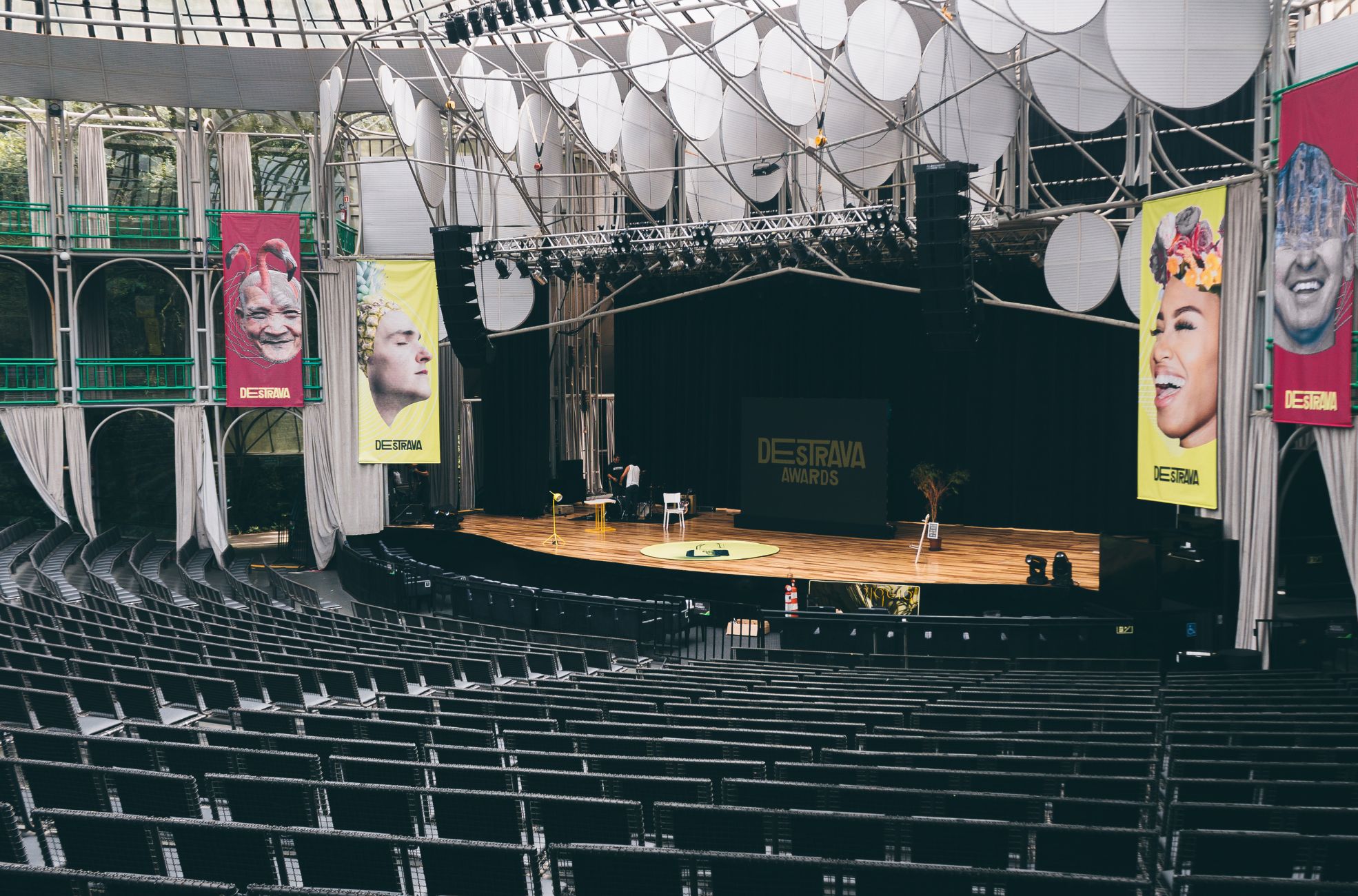
The venue affects almost every part of the awards night, from guest arrival and room atmosphere to staging, catering and production. Look beyond appearance and consider how effectively the space will support the entire event.
Make It Easy for Guests to Attend
Choose a venue that most guests can reach without turning the journey into an ordeal.
Parking, public transport and a safe way home often matter more than an impressive foyer. When people are travelling from interstate or regional areas, a venue near accommodation or transport connections can remove a great deal of friction.
Include clear directions, parking information, dress expectations and transport options with the invitation. A guest who arrives late, lost and flustered carries that mood into the room.
Match the Room to Your Guest Numbers
Choose a space that suits the actual number of people attending, not the most optimistic version of the guest list.
A room rated for 250 may technically hold that number, but seating plans, staging, dance floors, bars and production equipment can quickly reduce the usable space.
Walk through the guest journey before confirming the venue:
- Where will guests gather for pre-dinner drinks?
- How will they move into the main room?
- Can everyone see the stage?
- Are the bars and bathrooms easy to reach?
- Will staff or performers need to cross guest areas?
- Is there room for entertainment, photography and production equipment?
Our experienced Brisbane event planners can identify bottlenecks, such as the entire room funnelling past one bar, before they become a problem on the night.
Check the Venue’s Sound and AV Capabilities
Ask an experienced event producer where awards nights most often lose momentum and the answer will usually involve sound.
You can have an elegant theme, excellent food and a brilliant band, but if guests can’t clearly hear the CEO or the winner’s name comes through muffled, the energy drains from the room.
Before signing the venue contract, confirm:
- What microphones and speakers are included
- Whether the stage can be seen from every table
- How videos and presentation slides will be displayed
- Whether the room has difficult acoustics
- When a complete soundcheck can be conducted
- Whether a technician will remain onsite throughout the event
Don’t settle for a quick microphone tap during setup. Test the actual microphones, videos, walk-on music and presentation cues in the room.
When the sound is right, nobody gives it a second thought. That’s exactly what you want.
Plan Entertainment Across the Entire Evening
Entertainment is what can lift a pleasant corporate dinner into an experience people genuinely talk about.
The mistake is thinking only about the headline act. The strongest events use entertainment to shape the energy throughout the evening, from the moment guests arrive until the final song.
Use Live Music to Shape the Atmosphere
Live music fills a room in a way recorded background music rarely can. A corporate band can cover the full evening, starting with relaxed music during arrivals or dinner before shifting into an upbeat set once the formal programme finishes.
For a smaller event, a solo acoustic performer, jazz trio or DJ may be all you need. The right choice depends on the venue, guest numbers and how you want the atmosphere to build.
Entertain Guests During Arrivals
The most difficult part of many events isn’t the awards ceremony. It’s the first half-hour while guests arrive at different times, collect a drink and wait for the room to fill. Without anything happening, that period can feel flat.
Roving entertainment gives early arrivals something to watch and talk about. A roaming magician can work through the crowd, while musicians, circus performers or character acts can establish the theme before guests have even taken their seats.
This is particularly valuable when arrival times are staggered.
Book an MC Who Can Manage the Room
A professional MC is often worth more than companies initially expect.
A capable host can:
- Keep the programme running to time
- Introduce speakers and award categories clearly
- Maintain the room’s attention between presentations
- Cover delays or technical problems
- Adjust their delivery when the mood changes
- Keep acceptance speeches from derailing the schedule
They’re also there for the unpredictable moments, such as a winner being outside when their name is called or a video failing to start.
When the programme includes numerous awards, senior speakers, entertainment cues or a strict venue finish time, an experienced MC becomes particularly valuable.
For an event that needs more comedy, a corporate comedian or comedic act can also tailor material around the company, industry or team.
Give Guests Something to Do
Not every guest wants to spend the entire evening watching a stage.
Interactive entertainment can encourage people from different teams to mix and give the event more variety.
Depending on the audience, options might include:
- Company trivia
- Casino tables
- Photo activations
- Interactive games
- Immersive performers
- Live artists
- Audience-led entertainment
The aim isn’t to add activity for the sake of it. Choose something that suits the crowd and contributes to the overall experience.
Create One Standout Moment
Most events that people rave about contain one moment they describe afterwards.
It could be an aerial performer descending above the room, a dance troupe opening the ceremony, a feature act appearing unexpectedly or a well-known speaker walking onto the stage.
You don’t need several major surprises competing for attention. One well-timed feature act is usually more effective than a packed programme of disconnected performances.

Build a Detailed Awards Night Run Sheet
The awards night run sheet is where a well-planned corporate awards night becomes a well-delivered one.
It should cover more than the order of the awards. It needs to bring together the venue, catering team, MC, speakers, performers, production crew and event organisers.
For a larger or more complex awards night, an event planner can coordinate these parties as one connected programme.
This reduces the risk of suppliers working from different timings, contact lists or versions of the schedule. It also gives the venue, performers, presenters and production team one central point of contact when something changes.
Spread the Awards Across the Evening
One of the most common mistakes is placing every award into one long block. By the ninth or tenth category, attention starts to drift and guests begin having their own conversations.
Instead, divide the awards into shorter sections. Place them between courses, performances, videos or other programme elements.
Consider presenting one or two major awards earlier than expected. This signals that important moments can happen throughout the night and gives guests a reason to stay engaged.
Acceptance speeches should also have a clear limit, usually around one minute. Tell winners before the event rather than expecting the MC to cut them off onstage.
Rehearse the Transitions
When an awards night goes wrong, it’s often during the transition between two planned elements.
The speaker finishes, but the performer isn’t ready. The MC introduces a video that doesn’t start. A winner walks towards the wrong side of the stage. Dinner service begins while someone is still speaking.
A short technical rehearsal can uncover these issues before guests arrive.
At a minimum, rehearse the key transitions with:
- The MC
- The event manager
- The venue coordinator
- The AV technician
- Speakers
- Performers
- Award presenters
Check walk-on music, microphones, video cues, stage access, lighting changes and the process for bringing winners on and off the stage.
Set the Budget and Decide What Matters Most
Corporate awards night budgets vary considerably according to guest numbers, venue, catering, production and entertainment.
Rather than dividing the budget evenly across every category, prioritise the parts that determine whether the event functions properly.
A sensible order is:
1. Venue, catering and staffing: The essential costs of hosting the event safely and comfortably.
2. Audio-visual production: Microphones, sound, lighting, screens and technical support.
3. MC and entertainment: The people responsible for maintaining the energy and guiding the programme.
4. Styling and guest experience: Decorations, photography, activations and themed additions.
5. Contingency: Money reserved for unexpected costs or late changes.
Set aside approximately 10 to 15 per cent of the total budget as a contingency.
Keep all quotes, deposits, payment dates and actual expenses in one working spreadsheet. This makes it easier to identify where the budget is moving before small additions become a major overrun.
When trade-offs are required, protect the essentials first. Guests are more likely to notice poor sound, slow service or an awkward programme than the absence of an extra decorative feature.

Improve the Guest Experience Through Small Details
The guest experience begins before anyone reaches the venue.
An invitation that hints at the theme creates anticipation and gives guests enough time to understand the dress code. Clear information about transport, parking and timings removes uncertainty.
Once guests arrive, the basics matter:
- A warm welcome at the door
- A straightforward check-in process
- A drink available soon after arrival
- Clear signage
- Appropriate food for every dietary requirement
- Comfortable room temperature
- Enough time to socialise without long, empty gaps
A signature cocktail, themed food station or interactive feature can add personality, but it won’t compensate for poorly handled essentials.
The awards themselves also deserve careful writing.
When presenting each category, take a few moments to explain why the person or team earned the recognition. A short story, example or result gives the award meaning.
That small piece of context can turn a handshake and trophy into something the recipient genuinely feels.
Extend the Value After the Event
The awards night doesn’t have to finish when the final song ends.
Share professional photographs with the team, announce the winners through internal channels and thank the suppliers, presenters and organisers who contributed to the evening.
Selected photographs, highlights and winner announcements may also be suitable for your company website, LinkedIn page or recruitment material, provided you have the necessary permissions.
Collecting feedback while the event is still fresh can also help you understand what guests enjoyed and what should change next time.
Ask about the programme length, venue, entertainment, catering and overall experience. A short survey is usually more useful than a long form that few people complete.
Avoid Common Corporate Awards Night Mistakes
Even well-organised companies can run into the same problems.
Too Many Award Categories
Past a certain point, the ceremony begins to feel repetitive.
Trim minor or overlapping categories and give the remaining awards enough time to feel significant. Fewer awards presented well will usually have more impact than a long sequence of rushed acknowledgements.
Acceptance Speeches Without Time Limits
One long speech can affect the timing of dinner service, performances and every award that follows. Set expectations before the event and ask the MC to reinforce them warmly.
No MC, or the Wrong MC
Handing the microphone to an unprepared manager may save money, but it can cost the event far more in atmosphere and timing.
Choose someone who can speak confidently, respond to the room and keep the programme moving without making the night about themselves.
Untested Sound and Video
Never assume the venue’s equipment will work because it worked at another event.
Test the presentations, videos, microphones and audio files in the room with the actual equipment being used.
A Theme That Is Only Half-Delivered
A partially executed theme can look less polished than a simple event with no formal theme.
Once you choose a direction, carry it through the invitations, styling, entertainment, music and guest experience. If the budget can’t support the full idea, simplify it rather than spreading the concept too thinly.
Suppliers Working From Different Plans
The venue, AV team, caterer, MC and performers should not be working from separate schedules.
Use one master run sheet, nominate the person authorised to approve changes and distribute an updated final version before the event.
Plan a Corporate Awards Night Worth Remembering
A great corporate awards night doesn’t depend on having the largest budget or the flashiest venue. It comes from giving people a genuine reason to celebrate, creating a room that holds their attention and planning a few moments they’ll still be talking about weeks later.
Start with the purpose of the event. Choose a venue and theme that suit your team. Use entertainment to guide the energy throughout the evening, then support it all with reliable production and a detailed run sheet. That’s the part we love.
From venue sourcing and supplier coordination to run-sheet development, professional MCs, corporate bands, roving entertainment and feature performers, Onstage Entertainment can help bring the entire awards night together.
Our Brisbane event planners support corporate events across Brisbane and South East Queensland, while our event entertainment network services organisations across Australia.
Planning a corporate awards night? Speak with the Onstage Entertainment team for a free quote and let’s give your people the celebration they’ve earned.
Corporate Awards Night FAQs
How Long Should a Corporate Awards Night Run?
Most corporate awards nights run for approximately three to four hours.
A typical schedule might include pre-dinner drinks from 6.30 pm, dinner and awards spread across the evening, followed by live music, dancing or a relaxed wind-down before finishing at around 11.00 pm.
The ideal length depends on the number of awards, meal service, entertainment and whether guests are expected to stay for dancing afterwards.
How Far in Advance Should You Plan a Corporate Awards Night?
Begin planning a medium or large corporate awards night approximately six to twelve months in advance.
This gives you more choice of venues, entertainment and suppliers, particularly for popular Thursday, Friday and Saturday dates.
A smaller internal awards night may be organised within three to six months, provided the venue, budget, guest count and event format are decided quickly.
How Many Awards Should a Corporate Awards Night Include?
Most corporate awards nights should aim for approximately 10 to 12 award categories or fewer.
There is no strict limit, but the ceremony can begin to feel repetitive when too many similar awards are presented in one continuous block.
Combining overlapping categories and removing filler awards usually creates a stronger programme. Fewer awards, supported by meaningful introductions and stories, will generally have more impact.
Do You Need a Professional MC for a Corporate Awards Night?
A professional MC is strongly recommended when the evening includes several award categories, senior speakers, videos, entertainment cues or a strict finishing time. The MC keeps the programme moving, holds the room’s attention and responds calmly when something unexpected happens.
A confident internal presenter may be suitable for a small, informal event. For a large or complex corporate awards night, an experienced MC is usually a worthwhile investment.
What Is the Best Entertainment for a Corporate Awards Night?
The best corporate awards night entertainment suits the audience, venue and intended atmosphere. A reliable combination is roving entertainment during arrivals, a professional MC throughout the formal programme, a band or DJ after the awards and one memorable feature act.
Entertainment should support the flow of the evening, maintain the room’s energy and feel like part of one coordinated experience rather than a series of unrelated performances.
How Much Should You Budget for a Corporate Awards Night?
There is no standard corporate awards night budget, as costs depend on guest numbers, venue, catering, production requirements, entertainment and styling. Start by funding the essentials, including the venue, catering, staffing, audio-visual production and event management. Then allocate money to the MC, entertainment, styling and optional guest activations.
Allow a contingency of approximately 10 to 15 per cent for unexpected costs or late changes. Speaking with an event planner or entertainment specialist early can help you establish a realistic budget and prioritise the elements that will have the greatest effect on the guest experience.
Can an Event Planner Organise Corporate Awards Night Entertainment?
Yes. An experienced Brisbane event planner can coordinate the venue, suppliers, production, run sheet, MC and performers as part of one connected event plan. This is particularly valuable for awards nights with several entertainment segments, videos, senior speakers, strict venue timings or complex production requirements.
Working with a planner who also specialises in entertainment can reduce supplier handovers and make it easier to keep the programme, technical cues and performances aligned.